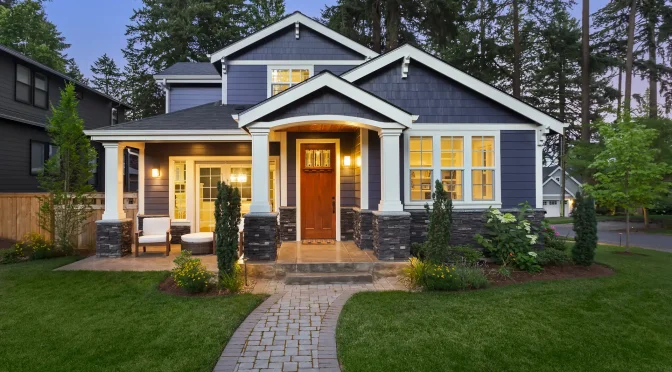
Chaska covers a lot of ground. There is the historic downtown near the Minnesota River, built in part from the cream colored brick Chaska was known for. There are established neighborhoods like Jonathan, planned in the late 1960s with walking paths woven through it. And there are newer neighborhoods still filling in. Add in Hazeltine National Golf Club and the Minnesota Landscape Arboretum, and it is a town that takes its outdoor spaces seriously.
Whichever part of town you call home, this Chaska home care guide covers what to plan for.
Older brick needs a gentle wash
Historic brick and mortar are softer than they look. High pressure can wash out old mortar and wear down the face of the brick, which lets water in and speeds up damage.
If you have an older brick home or garage, ask for a low pressure soft wash with a cleaner made for masonry. It removes dirt, mildew, and algae without eating into the joints. Our post on soft washing vs. power washing explains the difference.
New construction lawns need a little extra
Lawns in newer neighborhoods often start out on compacted soil, with a thin layer of topsoil over clay left from construction. That can mean puddles, thin grass, and roots that never go deep.
The fixes are simple. They just take a few seasons.
- Core aeration every fall. It loosens compacted soil so water and roots can get down.
- Overseed after aerating. Thin spots fill in faster when seed lands in the holes.
- Fertilize in fall. Early August through mid October is the best window.
- Water deeply, not daily. Deep, less frequent watering trains roots to go down.
If your irrigation system came with the house, check that it is set for the season. Many new systems run too often and too short. Our Minnesota lawn care calendar lays out the timing for each job.
Lawns near the river
Homes near the river bottoms and the bluffs deal with slopes, runoff, and soil that changes from yard to yard. Mowing high and leaving clippings on the lawn helps hold soil in place. Keep fertilizer and leaves out of the street, since storm drains lead straight to the river.
Winter parking in Chaska
Chaska uses odd and even parking in winter, from November 1 to April 1. On odd numbered days, park on the side of the street with odd numbered addresses. On even days, park on the even side. The date before midnight applies until 8 a.m. the next morning. The rule applies even on streets where parking is only allowed on one side.
The city also asks residents to keep trash and recycling bins out of the street so plows can reach the curb. These rules let plows clear more of each street in one pass, which means fewer ridges of snow at the end of your driveway.
Fall and gutters
Mature trees in the older parts of town drop a lot of leaves. A late fall cleanup and a gutter cleaning before the snow keep the lawn healthy and help prevent ice dams. Newer neighborhoods have fewer big trees but often more open lawn, so a single fall cleanup usually covers it.
How we help Chaska homeowners
Our own crews handle lawn care including aeration and seasonal cleanups, power washing, window and gutter cleaning, snow removal, and holiday lighting in Chaska and across the southwest metro. In 2027, licensed, insured partners that we manage add painting, handyman work, and cleaning.
You can book one service, or bundle the year in a membership plan with priority scheduling and member savings. Every plan includes weekly lawn care, spring and fall cleanups, core aeration, and snow plowing. We are booking now for 2027. Request a free quote, or call or text (612) 977-3662.
Questions from Chaska homeowners
Which side of the street can I park on in winter?
From November 1 to April 1, park on the odd numbered side on odd dates and the even side on even dates. The date before midnight applies until 8 a.m.
Why is my new lawn so thin?
New construction often leaves compacted soil with little topsoil. Fall aeration, overseeding, and fall fertilizing help it fill in over a few seasons.
Is pressure washing safe for old brick?
High pressure can damage old mortar and brick. A low pressure soft wash with a masonry cleaner is the safer choice.